Hay Balers & Rakes in Centerville, TX
Hay balers and rakes for Centerville, TX ranches come from our Normangee store.
Hay Equipment: Balers & Rakes for Centerville
We carry Vermeer balers and rakes there, plus Krone hay equipment. Leon County ground runs from tight pasture edges to rough, rutted meadows. The right baler and rake make that ground easier to put up. Putting up round bales off first cutting? Interest in balers and rakes doesn't let up through second cutting either. Browse our implements on j5tractors.com, or come take a look for yourself.
Hay equipment for baling and raking keeps cut hay moving from the field to the barn without extra passes across the ground. A baler picks up a windrow and packs it into bales ready to move and store. A rake gathers cut hay into a windrow first. Then the baler doesn't need as many trips across the field. Both implements fit most brands of tractor, matched to the horsepower and hitch you already run. Behind every baler and rake stands a parts counter that carries wear items for these implements. A service department works on them too. Browse our implements on j5tractors.com to see what fits your ground. Call the store if you've got questions about a specific unit.
- Balers pack cut hay into bales ready to move and store
- Rakes gather hay into a windrow so the baler covers the field in fewer passes
- Implements pair with the tractor and hitch you're already running
- A parts counter stocks wear items for balers and rakes
- A service department works on balers and rakes
The J5 store that serves Centerville
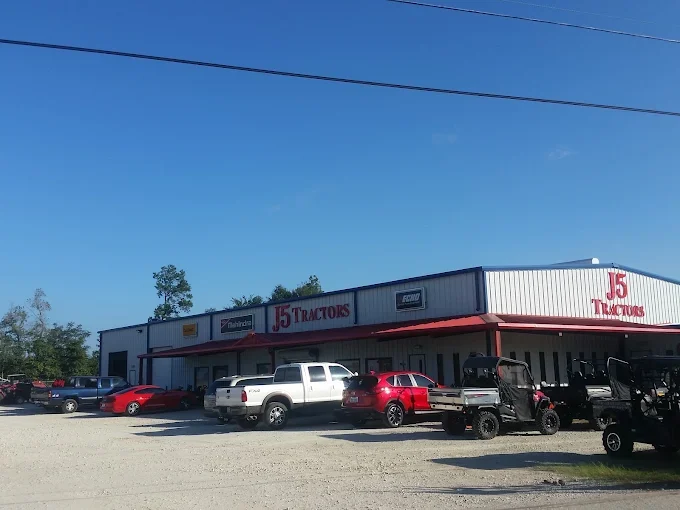
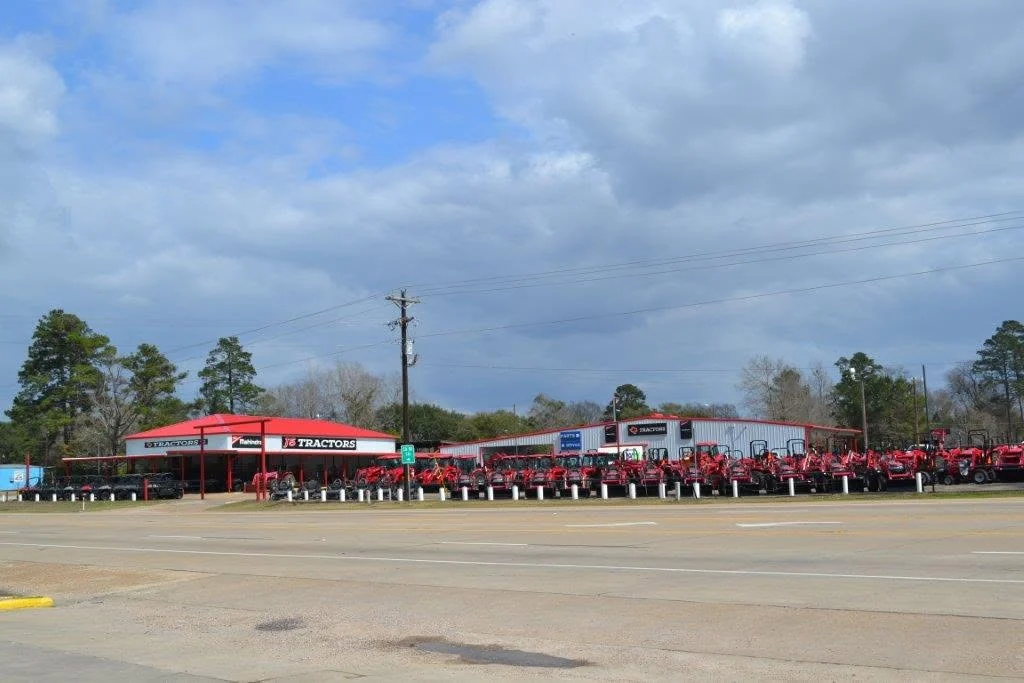
J5 Tractors Normangee
About 23 miles by road from Centerville
202 FM 39, Normangee, TX 77871
(936) 396-6032Mon-Fri 8:00am-5:00pm, Sat 8:00am-12:00pm
Carries: Mahindra tractors; Mahindra, IronCraft, Modern Ag Products, Vermeer and Krone implements; Bad Boy, Cub Cadet, Spartan and Warhawk mowers
Questions people ask
What's the best way to pick out a round hay baler?
Start with the kind of hay you're putting up and how you'll move and feed it. Look at bale size first, since that decides what your loader or bale spear has to carry. Then look at how the baler ties off each bale. Twine or net wrap? Net wrap sheds weather better once bales sit out in the field. Think about storage too, whether that's a barn or a fence row. Vermeer and Krone both build round balers, and our Normangee store carries both lines. Browse our implements on j5tractors.com, or come by and see them in person before you decide.
How is a round baler different from other baler styles out there?
A round baler rolls hay into a cylinder, wrapped in net or twine, that sheds rain once it's sitting in the field. Other baler styles pack hay into rectangular bales instead. Not sure which to pick? Square bales stack differently than round ones and usually need different handling equipment to move. Round bales hold up fine sitting out in the field, and a single bale spear moves them. That matters once you're past first cutting and into second cutting, with more hay to move at once. Think about how you'll feed it out, then come look.
How does a rake set up hay before the baler comes through?
A rake comes in after cutting and before baling. Raking pulls cut hay into a windrow, drying it out and gathering enough volume for the baler to pick up in one pass. Without that step, a baler either runs over scattered hay it can't gather cleanly or has to make several light passes over the same ground. Rake it once it's dried enough on top but still has some give left, so it doesn't shatter and lose leaf. The baler then follows the windrow and rolls each bale as it goes. Match the rake's width to what your baler's pickup can take in.
How do I get a clean windrow on rough or rutted hay ground?
Walk the field first. Spotting the worst ruts and low spots ahead of first cutting helps more than anything else you can do. A rake's tines and wheels follow the ground, but deep ruts still leave hay behind. A baler's pickup gathers hay off ground that isn't flat, too. Uneven ground still affects how clean a windrow comes together and how evenly a baler picks it up. Fill the worst ruts with a box blade in the off season if you can. Go slower over rough stretches. You'll save your pickup teeth some wear.
What field conditions change how well a hay rake does its job?
Moisture is the biggest one. Hay that's too wet clumps and drags instead of rolling into a clean windrow, and hay that's too dry loses leaf and shatters under the tines. Ground cover matters too. Thick grass or heavy stubble can bunch up ahead of the rake instead of feeding through evenly. Ruts and low spots can make a windrow bunch unevenly, which gives the baler an uneven bale to work with. Field shape plays a role too, since tighter turns mean more overlap and more passes than a long, open field. None of this counts against rough pasture ground. It's just part of planning the day you rake.
On our tractors site
Every implement needs the right tractor in front of it. For Centerville, see:
Not in Centerville? See Hay Equipment: Balers & Rakes across east and central Texas for every town we serve.
Also serving nearby
Our Normangee store serves hay ground around Centerville. Buffalo and Fairfield are nearby too. This is pasture and timber country, and you might put up hay on anything from a tight home pasture to bigger, rougher fields. Whether you're getting ready for first cutting or baling through second cutting, Normangee is the store for Vermeer and Krone hay equipment.